

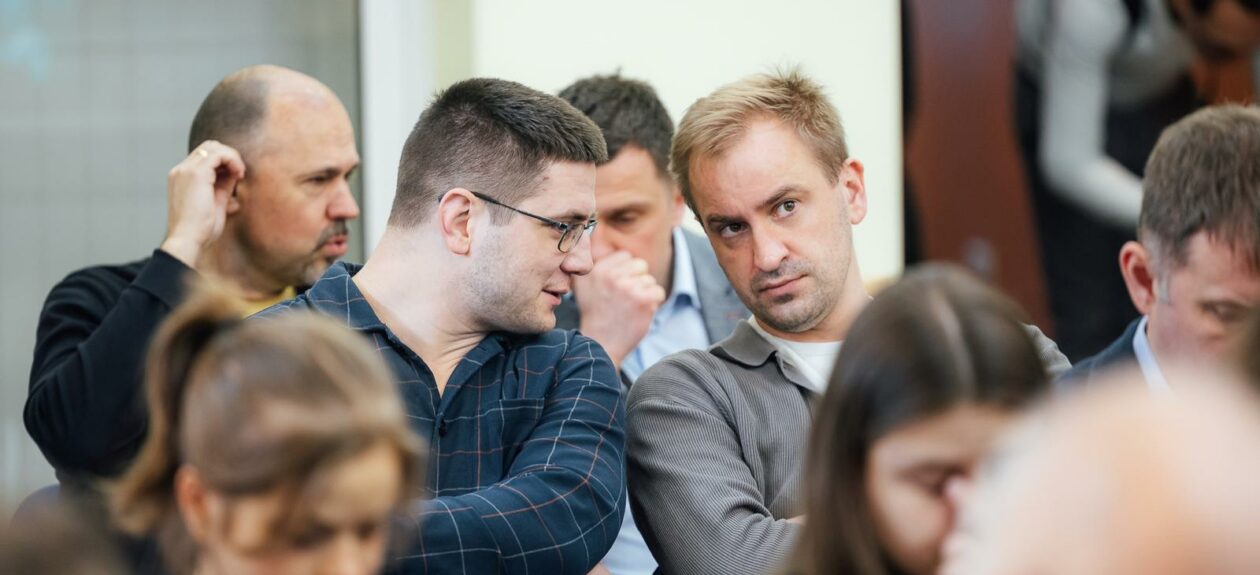
On February 25, in Riga, the first Battery Industry Day organized by the Institute of Solid State Physics at the University of Latvia took place. Scientists, entrepreneurs, and industry experts discussed battery technology development, energy storage challenges, and collaboration opportunities between research and industry.
The event focused on innovations in lithium and sodium-ion batteries, improving energy efficiency, and practical applications of technologies across various sectors, including mobility and defense. Today, batteries play a crucial role not only in energy storage and mobility but also in defense applications. It was concluded that direct battery manufacturing in Latvia is currently not feasible compared to major global market players. However, there is significant potential for innovation and technology development.
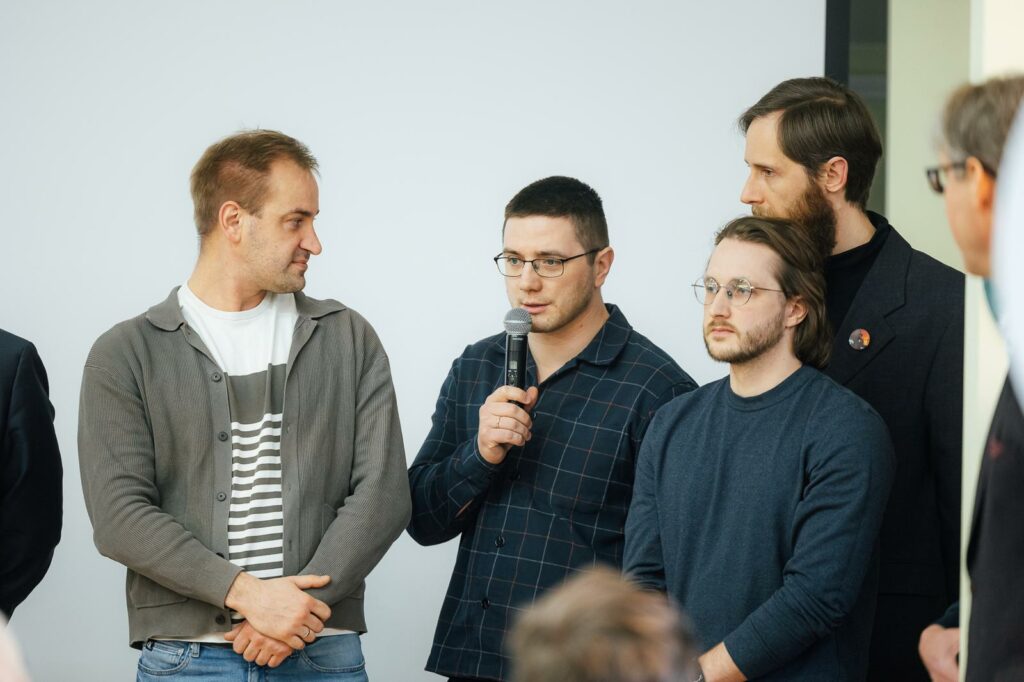
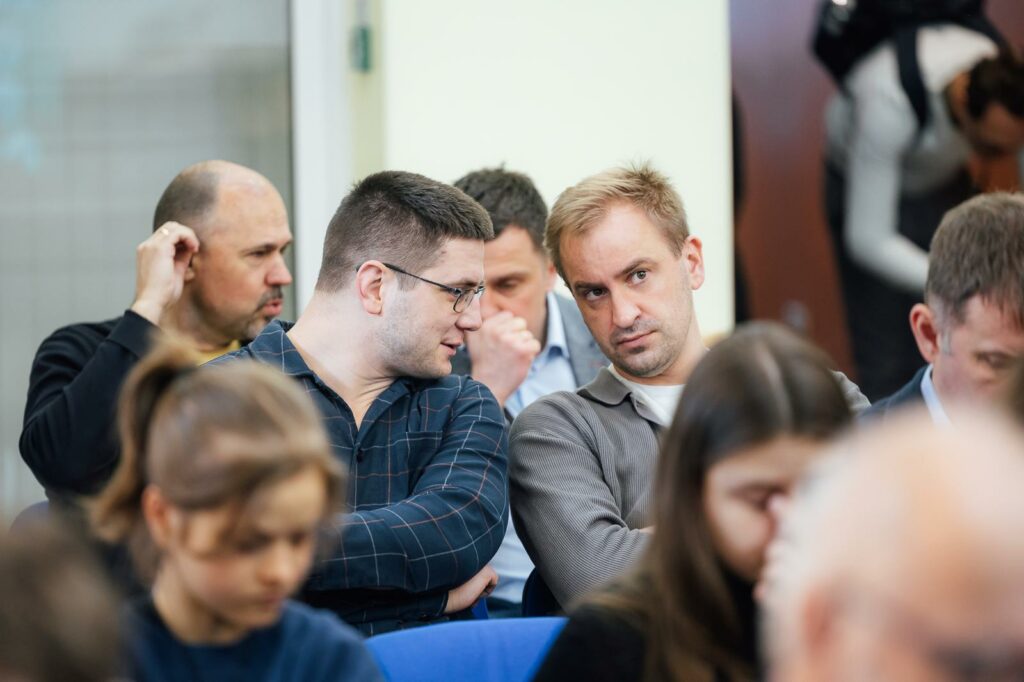
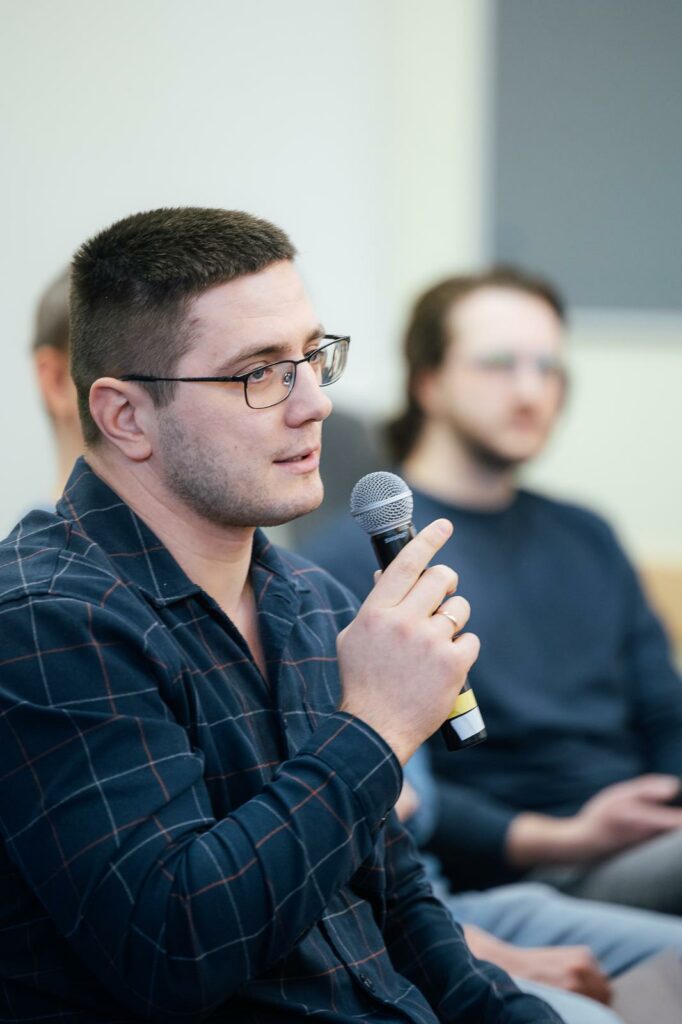
Latvijas Energoceltnieks representatives, Dmitrijs Anisko and Aleksandrs Trokšs-Traško, actively participated in discussions about cooperation between companies and research institutions and shared their perspectives on energy storage solutions and the future of battery technologies in the Latvian context. Dmitrijs noted that local manufacturing is unlikely to compete with China, emphasizing that the focus should be on technology development, which would also improve battery operation.
“The most significant contribution, highlighted by several entrepreneurs, is its intellectual value—the battery management systems. On a Latvian scale, the ‘High Voltage Network’ ensures that electricity flows across the country. ‘Latvenergo’ produces it, and ‘Sadales tīkls’ distributes it to households. To ensure that the operation of battery parks does not interfere with our existing system, which functions and whose production capacity is sufficient to supply households, proper control is required. This control requires appropriate software. Currently, parks are being built, but solutions are imported. We export expertise that local specialists could develop. The key is initiative and ambition for an entrepreneur to turn it into a product,” Dmitrijs explained.
*This event is part of the #LACISE project implemented by the University of Latvia’s Institute of Solid State Physics, carried out under the Latvia–Switzerland Cooperation Programme “Partnership in Applied Research” in accordance with grant agreement No. LZP/LV-CH-RESEARCH/PC2.
Photos: Mārcis Gaujenietis